
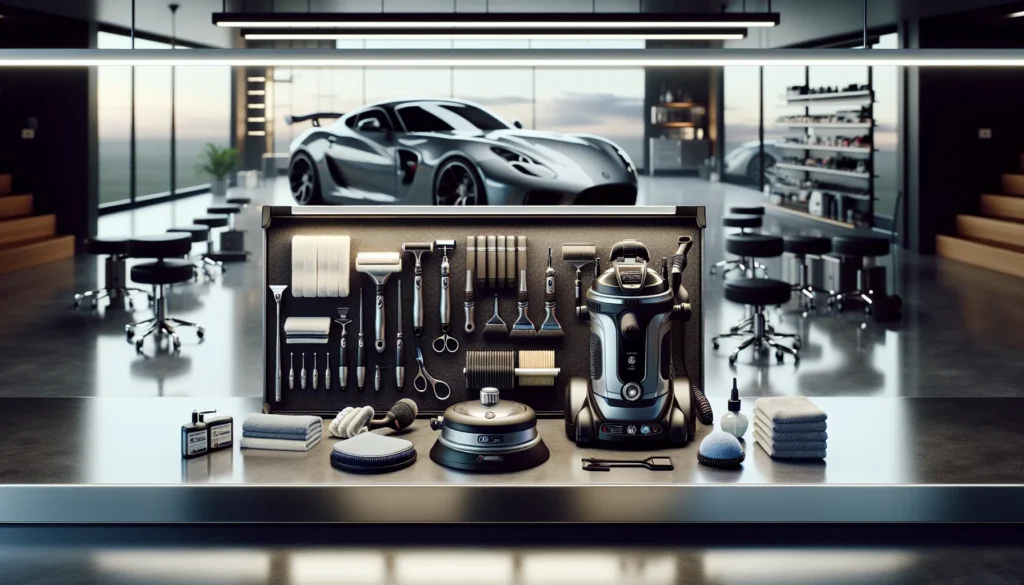
Picture this: You’re standing in your driveway, sun beating down, hose in hand, and you spot that one stubborn swirl on your car’s hood. You’ve washed, rinsed, and dried, but the finish still looks tired. If you’ve ever felt that frustration, you know the right automotive detailing tools can turn a basic wash into a jaw-dropping transformation. Here’s the part nobody tells you—most of us use the wrong gear, or worse, skip the essentials that make all the difference.
Why the Right Automotive Detailing Tools Matter
Let’s break it down. You can’t get a flawless finish with a single sponge and a bottle of dish soap. The right automotive detailing tools protect your paint, save you time, and make the process way more satisfying. If you’ve ever scratched your car with a dirty towel or left streaks after hours of work, you know the pain. The right tools don’t just make your car look better—they make you feel like a pro.
Who Needs These Tools?
If you love your car and want it to look its best, these tools are for you. Weekend warriors, car show regulars, and anyone who hates water spots—listen up. But if you’re the type who’s fine with a quick drive-through wash and doesn’t care about swirl marks, you can skip the fancy stuff. For everyone else, let’s get into the gear that actually works.
Must-Have Automotive Detailing Tools
Here’s what separates a clean car from a showstopper. These are the tools you’ll reach for every time, and they’re worth every penny.
1. Two-Bucket Wash System
One bucket for soapy water, one for rinsing your mitt. This simple setup keeps dirt off your paint and prevents scratches. It’s a small change that makes a huge difference. If you’ve ever wondered why your car gets swirl marks after washing, this is usually the culprit.
2. Microfiber Wash Mitts and Towels
Forget old t-shirts and bath towels. Microfiber grabs dirt and lifts it away from the surface. It’s soft, absorbent, and won’t scratch your paint. Pro tip: Use separate towels for paint, wheels, and glass to avoid cross-contamination.
3. Grit Guard
This plastic insert sits at the bottom of your rinse bucket. It traps dirt and grit, so you don’t pick it up again with your mitt. It’s a cheap insurance policy against scratches.
4. Foam Cannon or Foam Gun
Attach a foam cannon to your pressure washer or a foam gun to your garden hose. It covers your car in thick suds, loosening dirt before you touch the paint. It’s fun, fast, and makes washing feel like a pro-level experience.
5. Detailing Brushes
Use soft-bristle brushes for badges, grilles, and tight spots. Stiff brushes work for tires and carpets. The right brush gets into places your hands can’t reach, pulling out hidden grime.
6. Clay Bar Kit
After washing, run a clay bar over your paint. You’ll feel the difference—smooth as glass. Clay removes bonded contaminants that washing can’t touch. It’s the secret to that “wow” finish.
7. Dual Action Polisher
If you want to remove swirls, scratches, or oxidation, a dual action polisher is your best friend. It’s safer than a rotary buffer and easy for beginners. Start with a light polish and a soft pad, and you’ll see real results fast.
8. Quality Car Shampoo
Use a shampoo made for cars, not household cleaners. The right formula lifts dirt without stripping wax or sealant. Look for pH-balanced options for the safest clean.
9. Tire and Wheel Cleaners
Wheels and tires collect the worst grime. Use a dedicated cleaner and brush to break down brake dust and road tar. Clean wheels make the whole car pop.
10. Drying Tools: Microfiber Drying Towel or Air Blower
Skip the chamois. A large microfiber drying towel soaks up water fast and leaves no streaks. For tight spots and mirrors, an air blower gets every drop without touching the paint.
Pro Tips for Using Automotive Detailing Tools
- Wash from top to bottom. Dirt collects low, so save the dirtiest parts for last.
- Use separate tools for wheels and paint. Brake dust is abrasive.
- Clean your tools after every use. Dirty towels scratch paint.
- Store microfiber towels in a sealed bin to keep them dust-free.
- Replace clay bars and pads when they look worn or dirty.
Here’s why these habits matter: Even the best automotive detailing tools can cause damage if you use them wrong. Take care of your gear, and it’ll take care of your car.
Common Mistakes and Lessons Learned
I’ll admit it—I once used a kitchen sponge on my car. The result? Fine scratches everywhere. I’ve also tried to save money with cheap towels, only to spend hours fixing the mess. If you’ve made these mistakes, you’re not alone. The lesson: Invest in quality tools, and don’t cut corners. Your car (and your sanity) will thank you.
What Sets Great Automotive Detailing Tools Apart?
Not all tools are created equal. Look for these signs of quality:
- Soft, plush microfiber with no rough edges
- Sturdy handles on brushes that don’t flex or snap
- Polishers with variable speed and safety features
- Shampoos and cleaners with clear ingredient lists
Here’s the part nobody tells you: Sometimes, the most expensive tool isn’t the best. Read reviews, ask other detailers, and test what works for you. The right automotive detailing tools feel good in your hand and make the job easier, not harder.
Next Steps: Building Your Detailing Kit
Start with the basics: two buckets, a wash mitt, microfiber towels, and a good shampoo. Add a clay bar and a polisher when you’re ready to level up. Don’t forget brushes for the details and a drying towel for the perfect finish. Build your kit over time, and you’ll see the difference with every wash.
Final Thoughts: The Real Payoff
There’s something satisfying about stepping back and seeing your car shine—no streaks, no swirls, just pure reflection. The right automotive detailing tools make that possible. If you’ve ever felt frustrated by lackluster results, try upgrading your gear. You’ll not only get a better finish, but you’ll actually enjoy the process. And that’s the real secret nobody tells you.