
The Moment You Realize Your Car Isn’t Actually Clean
You step back after a long wash, water dripping from the fenders, and the sun catches something you missed. Dust clings to the air vents. Grime hides in the badge. The wheels look dull, no matter how much you scrub. If you’ve ever felt that sting—like your car’s laughing at your effort—you’re not alone. Here’s the part nobody tells you: the secret weapon isn’t more soap or elbow grease. It’s the right set of automotive detailing brushes.
Why Regular Washes Miss the Mark
Most people think a sponge and a bucket do the trick. But sponges flatten against surfaces, missing the nooks where dirt loves to hide. That’s why, even after a wash, your car can look tired. Automotive detailing brushes reach where your hands can’t—inside emblems, around lug nuts, between seat seams. If you want that “just detailed” look, you need the right tools.
What Makes Automotive Detailing Brushes Different?
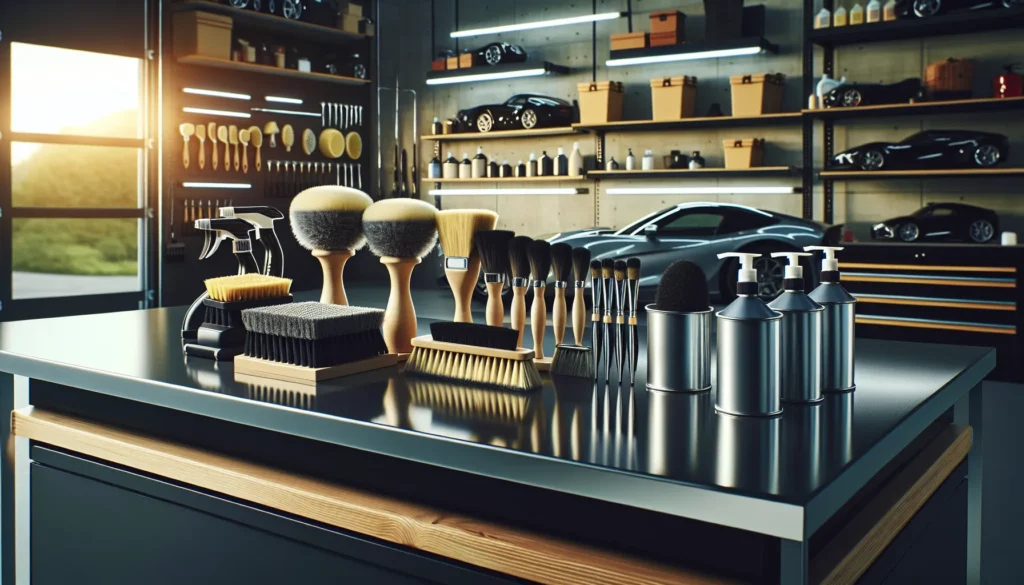
Let’s break it down. Not all brushes are created equal. The best automotive detailing brushes have soft bristles that won’t scratch paint, but they’re stiff enough to lift stubborn dirt. Some are tiny, perfect for air vents. Others are long and curved, made for wheels. The magic is in the details—literally.
- Bristle Material: Natural boar’s hair is gentle on paint. Synthetic bristles work well for wheels and engine bays.
- Handle Design: Rubber grips keep your hands steady, even when wet.
- Size Variety: A good kit includes brushes from pencil-thin to palm-sized.
Here’s why that matters: using the wrong brush can scratch your finish or leave grime behind. The right brush feels like an extension of your hand—precise, comfortable, and effective.
My First Detailing Disaster (And What I Learned)
I once tried to clean my car’s wheels with an old kitchen brush. Big mistake. The bristles were too stiff, and I ended up with tiny scratches that caught every speck of brake dust. It looked worse than before. That’s when I learned: the right tool saves you time and heartbreak. If you’ve ever ruined a finish or spent hours scrubbing with no results, you know the pain.
Types of Automotive Detailing Brushes (And When to Use Each)
Let’s get specific. Here are the main types of automotive detailing brushes and what they’re best for:
- Wheel Brushes: Long, flexible, and tough. They reach behind spokes and into lug nut holes. Use these for wheels, calipers, and even exhaust tips.
- Interior Brushes: Soft, short bristles for vents, buttons, and seams. Perfect for dashboards and leather seats.
- Detailing Sticks: Tiny, pointed brushes for badges, emblems, and tight crevices.
- Engine Bay Brushes: Heat-resistant and sturdy. Use these for greasy, hard-to-reach spots under the hood.
If you’re serious about a spotless shine, you’ll want at least one of each. But don’t worry—you don’t need a hundred brushes. A basic kit with four or five types covers most jobs.
How to Use Automotive Detailing Brushes Like a Pro
Here’s the part most people skip: technique matters as much as the tool. If you just jab a brush at the dirt, you’ll miss spots or, worse, scratch the surface. Here’s how to get pro-level results:
- Pre-soak: Spray the area with cleaner first. Let it sit for a minute to loosen grime.
- Gentle Agitation: Move the brush in small circles. Don’t press too hard—let the bristles do the work.
- Rinse Often: Dip the brush in clean water between passes. This keeps you from spreading dirt around.
- Dry Carefully: Use a microfiber towel to blot dry. Don’t rub—just pat.
Pro tip: Always test a new brush on a hidden spot first. If it scratches, swap it out. Your paint will thank you.
Who Needs Automotive Detailing Brushes?
If you love the feeling of a spotless car, these brushes are for you. They’re perfect for:
- Car enthusiasts who want show-ready shine
- Parents tired of sticky cupholders and crumb-filled seats
- Anyone who’s ever looked at their wheels and sighed
But if you’re happy with a quick rinse and don’t care about the details, you might not need a full set. That’s okay. For everyone else, automotive detailing brushes are a game-changer.
What Nobody Tells You About Maintenance
Here’s the secret: your brushes need cleaning, too. Dirty brushes just move grime around. After each use, rinse them with warm water and a drop of dish soap. Let them air dry. Replace them if the bristles get bent or worn. A good brush can last years if you treat it right.
Choosing the Best Automotive Detailing Brushes
With so many options, it’s easy to get overwhelmed. Here’s what to look for:
- Softness: For paint and interiors, always choose the softest bristles you can find.
- Durability: Handles should feel solid, not flimsy.
- Variety: A mix of sizes covers more jobs.
- Brand Reputation: Stick with brands that detailers trust. Read reviews and look for real-world photos.
If you’re on a budget, start with a basic kit. You can always add specialty brushes later.
Common Mistakes (And How to Avoid Them)
Let’s be honest—everyone makes mistakes. Here are a few I’ve seen (and made):
- Using the same brush for wheels and paint—don’t do it. Brake dust is gritty and can scratch your finish.
- Skipping the rinse—always clean your brush between uses.
- Forgetting to dry—wet brushes can grow mold if left in a closed space.
Learn from my mistakes. Your car will look better, and you’ll save time in the long run.
Next Steps: Level Up Your Detailing Game
If you’ve ever felt frustrated by stubborn dirt or dull wheels, automotive detailing brushes are your answer. They turn a basic wash into a deep clean. You’ll see the difference the first time you use them—sharper lines, brighter trim, and that satisfying “wow” when the sun hits your paint.
Ready to try it? Start with a small kit, learn what works for your car, and enjoy the process. Detailing isn’t just about the result—it’s about the pride you feel every time you drive away, knowing your car looks its best. That’s the real secret to a spotless shine.