
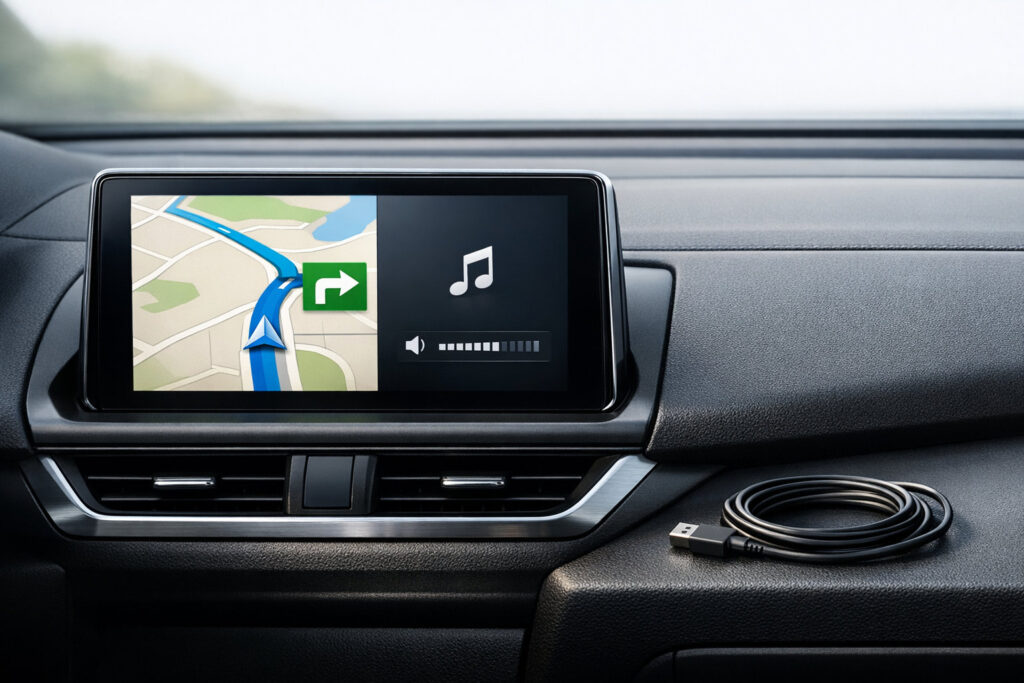
Modern vehicles combine touchscreen navigation with car audio to help drivers stay focused on the road and make quick adjustments safely. Effective integration can streamline information, reduce distractions, and enhance both situational awareness and comfort. This approach responds to common safety challenges posed by digital dashboards and in-car technology.
Touchscreen navigation and audio systems now sit at the center of the driving experience. Their integration addresses concerns over distraction, interface complexity, and the need for safer vehicle operation. The Pioneer DMH-160BT-II brings together functions that enable users to control navigation and entertainment while maintaining attention on driving. For drivers, understanding how these systems work together can support road safety and convenience.
Integrated screens reduce driver workload and distraction
Digital dashboards require careful design to minimize cognitive load behind the wheel. By combining navigation and audio controls into a single interface, manufacturers aim to reduce the time your eyes and hands are away from the road. This layout helps you process instructions, adjust music, and glance at directions with fewer steps.
When systems are poorly integrated, drivers face increased distraction as they switch between devices or menus. Simplified screens, featuring large icons and clear menus, help ensure tasks like changing routes or songs remain intuitive. Consistent layouts also let you memorize control positions, making operation more instinctive and less risky at speed.
Unified functions improve responsiveness and awareness
Shared control of both navigation and audio means you can manage multiple functions without toggling between screens. Voice guidance is piped through your vehicle’s speakers, automatically lowering music volume when announcing directions, a function often called audio ducking. This interaction helps ensure prompts stand out, even if you’re listening to music or a podcast.
Prompt clarity matters most in traffic or unfamiliar areas. With cohesive voice feedback, you are less likely to miss a turn or lose awareness in complex junctions. When navigation and audio systems operate together, response times can improve, and you may spend less effort shifting focus between separate components.
Safety-focused features and compatibility options
High-contrast displays and oversized touch targets can aid use in motion, allowing you to tap commands with more confidence during bumpy rides. Intuitive menu structures can help keep essential features accessible, avoiding hidden layers or confusing navigation paths. This simplicity may reduce the likelihood of errors.
Many systems support hands-free calling and voice assistants for destination entry, song selection, and basic queries. Steering wheel control integration can further limit distraction, placing essential adjustments within reach. Considering these capabilities can influence long-term satisfaction and help reduce distracted-driving risk.
Practical differences in smartphone and built-in navigation
Many vehicles allow drivers to link smartphones with the in-car system, using navigation apps directly on the central display. Smartphone-based platforms may update more frequently, benefiting from real-time map data and traffic reroutes. However, their reliability can be tied to network connectivity and device battery life, especially on longer journeys.
Built-in navigation often offers consistent performance without relying on mobile signals or separate power sources. Wireless setup options have become more common, though some configurations use USB cables, which can charge your device while connected. As you consider both, weigh the balance of up-to-date information versus consistent operation under varied driving conditions.
Audio setup and installation for optimal safety
Sound clarity is crucial for navigation prompts, making speaker positioning a key consideration during installation. A front-stage audio focus, where most sound emerges from the dashboard area, can help guidance cues cut through background noise. Adjusting equalization settings can help directions remain intelligible without sudden volume spikes.
Proper placement of microphones can also affect performance, particularly with voice controls and phone calls. Reducing interference from engine noise or open windows can create smoother interactions, ensuring your voice commands are picked up clearly while driving. Installation quality can play a direct role in usability and safety.
Daily strategies for efficient and safe system use
Entering your destination and adjusting key settings before setting off can help keep your attention on the road. Making use of saved favorites and navigation presets can streamline future trips, cutting down the number of menu taps needed while driving.
Consistent habits, such as selecting playlists or routes while stationary, support safer travel. When combined with smart interface design, these strategies can help you use advanced navigation and audio features without increasing distraction risks.
Pioneer Audio, originally founded in 1930 to build dynamic speakers, is now a major developer of car audio equipment. The company’s automotive systems focus on combining reliable sound quality with user-friendly features such as touchscreen navigation and seamless device connectivity.